
Spaghetti alla Nerano
by Danielle Alvarez with Libby Travers, featured in Recipes for a Lifetime of Beautiful Cooking Published by Murdoch BooksIntroduction
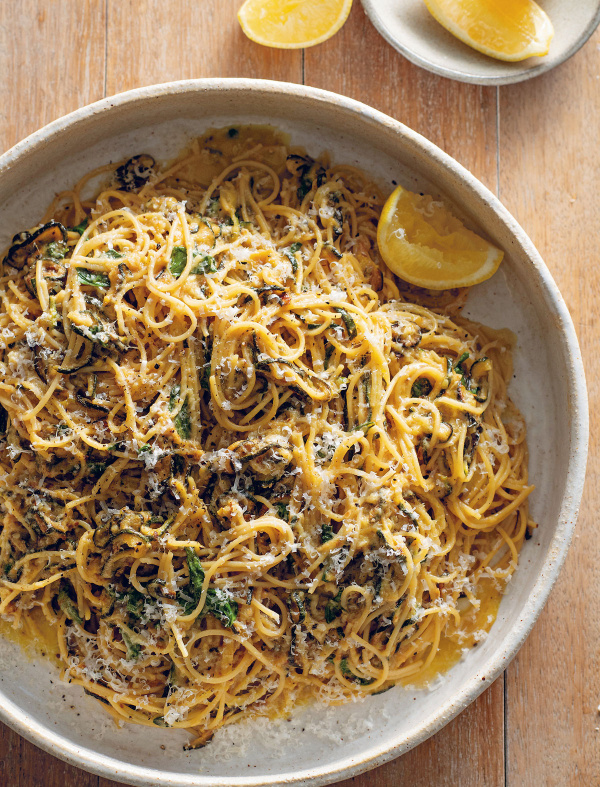
Nerano is a small village on the Amalfi Coast of Italy. This dish is thought to have been created by a woman named Maria Grazia (in her restaurant there, which bears her name) and although the original recipe is not known, this is my best distillation. The original dish uses Provolone del Monaco, a local cheese that can be hard to find outside of the area. Parmigiano Reggiano isn’t totally correct but it’s still delicious. This is a perfect summer pasta and makes great use of a glut of zucchini (courgette).
Nerano is a small village on the Amalfi Coast of Italy. This dish is thought to have been created by a woman named Maria Grazia (in her restaurant there, which bears her name) and although the original recipe is not known, this is my best distillation. The original dish uses Provolone del Monaco, a local cheese that can be hard to find outside of the area. Parmigiano Reggiano isn’t totally correct but it’s still delicious. This is a perfect summer pasta and makes great use of a glut of zucchini (courgette).

Ingredients
Serves: 4
- 6 small zucchini (about 14oz - 1lb 2oz / 400 - 500g)
- ½ cup extra virgin olive oil
- 14 ounces dried spaghetti
- 3 cloves garlic (minced)
- 1¾ ounces unsalted butter (cubed)
- ½ cup freshly grated Parmigiano Reggiano cheese
- 2 loosely packed cups basil leaves plus extra to garnish
- fine sea salt
TO FINISH
- Parmigiano Reggiano cheese (for grating)
- freshly ground black pepper
- good-quality extra virgin olive oil
- 1 lemon (cut into 4 wedges)
- 6 small courgettes (about 14oz - 1lb 2oz / 400 - 500g)
- 125 millilitres extra virgin olive oil
- 400 grams dried spaghetti
- 3 cloves garlic (minced)
- 50 grams unsalted butter (cubed)
- 50 grams freshly grated Parmigiano Reggiano cheese
- 60 grams basil leaves plus extra to garnish
- fine sea salt
TO FINISH
- Parmigiano Reggiano cheese (for grating)
- freshly ground black pepper
- good-quality extra virgin olive oil
- 1 lemon (cut into 4 wedges)
Method
Spaghetti alla Nerano is a guest recipe by Danielle Alvarez with Libby Travers so we are not able to answer questions regarding this recipe
- Slice the zucchini into very thin rounds using a mandoline (or a very sharp knife).
- Heat a large pan over a medium–high heat. Add the olive oil and when it’s hot, add in a third of the zucchini slices. Fry until they are lightly golden, stirring occasionally. Use a skimmer or spoon to scoop them out onto a plate. Fry the remaining zucchini in another two batches and set aside.
- Bring a large pot of salted water to a boil. Drop in your spaghetti and cook until al dente.
- Pour out half the olive oil used to fry the zucchini and save it for another use. Return the pan to a medium heat and add the garlic, letting it sizzle until it becomes fragrant. Add in the fried zucchini and scoop a ladleful of the pasta water into the pan. Stir and crush the zucchini so that some pieces break down and some remain intact.
- Reserve a mug of the pasta water before draining the pasta. Add the pasta to the zucchini pan and stir in half of the reserved water. Turn the heat to high. When the liquid is almost completely reduced, turn the heat down to low and add in the butter, parmesan and basil. Toss vigorously, using a wooden spoon or tongs, to combine and create a creamy sauce. Add more of the pasta water as needed. Taste the pasta for seasoning and adjust with salt.
- Divide the pasta between four bowls and top with more grated parmesan, the extra basil leaves, pepper and a drizzle of good-quality olive oil. Serve with wedges of lemon.
This book was always meant to be a celebration of that which is humble, that which respects waste, that which is better at home than anywhere else. On reflection, it could happily just have been a book about the magical qualities of pasta water. As the salty water is bubbling around the pasta a beautiful exchange is occurring. The pasta is swelling, seasoning itself from the inside out as it absorbs its saline bath, meanwhile the water is amalgamating with the glutens and proteins that are making their escape from the pasta. The water becomes cloudy and slightly translucent as the three ingredients make love. All these pasta recipes make use of this alchemy, but this one in particular should convince you of its wonder.
- Slice the courgettes into very thin rounds using a mandoline (or a very sharp knife).
- Heat a large pan over a medium–high heat. Add the olive oil and when it’s hot, add in a third of the courgettes slices. Fry until they are lightly golden, stirring occasionally. Use a skimmer or spoon to scoop them out onto a plate. Fry the remaining courgettes in another two batches and set aside.
- Bring a large pot of salted water to a boil. Drop in your spaghetti and cook until al dente.
- Pour out half the olive oil used to fry the courgettes and save it for another use. Return the pan to a medium heat and add the garlic, letting it sizzle until it becomes fragrant. Add in the fried courgettes and scoop a ladleful of the pasta water into the pan. Stir and crush the courgettes so that some pieces break down and some remain intact.
- Reserve a mug of the pasta water before draining the pasta. Add the pasta to the courgettes pan and stir in half of the reserved water. Turn the heat to high. When the liquid is almost completely reduced, turn the heat down to low and add in the butter, parmesan and basil. Toss vigorously, using a wooden spoon or tongs, to combine and create a creamy sauce. Add more of the pasta water as needed. Taste the pasta for seasoning and adjust with salt.
- Divide the pasta between four bowls and top with more grated parmesan, the extra basil leaves, pepper and a drizzle of good-quality olive oil. Serve with wedges of lemon.
This book was always meant to be a celebration of that which is humble, that which respects waste, that which is better at home than anywhere else. On reflection, it could happily just have been a book about the magical qualities of pasta water. As the salty water is bubbling around the pasta a beautiful exchange is occurring. The pasta is swelling, seasoning itself from the inside out as it absorbs its saline bath, meanwhile the water is amalgamating with the glutens and proteins that are making their escape from the pasta. The water becomes cloudy and slightly translucent as the three ingredients make love. All these pasta recipes make use of this alchemy, but this one in particular should convince you of its wonder.



Tell us what you think
Thank you {% member.data['first-name'] %}.
Explore more recipesYour comment has been submitted.